

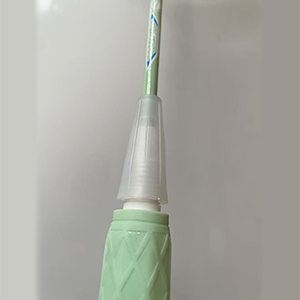
Choosing the best racket string materials is one of the most important decisions for players who want better control, more power, improved comfort, and a more consistent feel on court. Whether you play tennis, badminton, squash, or similar racket sports, the string material directly affects performance, durability, tension retention, and overall playability. Because of this, understanding the different racket string materials is essential for players, coaches, retailers, and sports content publishers who want accurate, search-friendly information.
This guide explains the most common racket string materials, their key advantages, typical characteristics, and how to choose the right string type based on playing style. It is written in clear English, structured for SEO, and designed for direct use in blog articles, category pages, and industry information pages. The content below focuses on general industry knowledge only, with no specific brand or company recommendations.
Racket string materials refer to the raw materials used to manufacture strings for rackets. These materials determine how the strings behave under impact, how long they last, how much power they provide, and how comfortable they feel on contact. Different string materials create different levels of elasticity, stiffness, spin potential, shock absorption, and tension stability.
In general, the best racket string materials can be grouped into several major categories: natural gut, synthetic gut, multifilament, polyester, nylon, aramid, and hybrid combinations. Each material serves a different purpose. Some are designed for maximum comfort, while others are made for durability, control, or spin. A player who wants power and arm comfort will not usually choose the same material as a player who wants maximum control and a crisp response.
The material of a racket string affects almost every part of performance. Even if two strings have the same gauge and tension, the material can make them feel completely different. For that reason, understanding string construction is a key part of selecting the best racket string materials for your needs.
For search visibility, it is useful to discuss these terms naturally in content because users often search for phrases like best racket string materials for power, most durable racket string material, comfortable tennis string materials, or best badminton string material.
Below is a detailed overview of the most common materials used in racket strings. These materials are widely used across different racket sports, and each one has distinct performance characteristics.
Natural gut is widely considered one of the highest-performing racket string materials available. It is made from purified animal collagen fibers, which gives it exceptional elasticity, excellent tension maintenance, and a very comfortable feel. Natural gut has long been valued in racket sports for its combination of power, touch, and arm-friendliness.
Players who want premium performance often rank natural gut among the best racket string materials because it delivers strong energy return without feeling overly stiff. It is especially popular among players who need comfort and responsiveness.
However, natural gut is usually more expensive than synthetic materials and may be less resistant to moisture and harsh conditions. For players seeking top-tier performance in dry environments, it remains one of the most respected string options.
Multifilament strings are made by bundling many fine fibers together, usually nylon-based, and coating them for stability. This structure mimics the softness and feel of natural gut while offering a more affordable price point. Multifilament strings are known for comfort, power, and a forgiving response.
Because they are soft and elastic, multifilament strings are often considered one of the best racket string materials for recreational players, beginners, and anyone sensitive to arm discomfort. They are also a popular choice for players who want easy depth and a lively feel.
The main tradeoff is durability. Compared with polyester or aramid-based strings, multifilament strings generally break faster, especially for players who hit with heavy spin or high string movement.
Synthetic gut is one of the most common and versatile racket string materials. Despite the name, it does not contain natural gut. It usually consists of a nylon core with one or more outer wraps and a protective coating. Synthetic gut is designed to provide balanced performance at an accessible price.
This material is often recommended as a general-purpose option because it offers a practical balance of power, comfort, and cost. For many players, it is the entry point into understanding different racket string materials.
Synthetic gut is not as durable or as advanced as premium materials, but it remains a reliable choice for players who want consistent general-purpose performance.
Polyester strings are known for control, durability, and spin potential. They are generally stiffer than nylon-based materials and are widely used by advanced players who generate high racket head speed. Polyester is one of the most talked-about racket string materials because it allows players to swing aggressively while maintaining a controlled response.
These strings usually appeal to baseline players, topspin hitters, and competitors who prioritize precision over comfort. Polyester can help reduce string movement and increase spin through rapid snapback.
The drawback is stiffness. Polyester strings can feel harsh, especially at higher tensions, and may not be ideal for players with arm discomfort or lower swing speeds. Proper tension selection is important when using polyester-based materials.
Co-polyester strings are an evolved version of standard polyester strings. They are engineered with additional chemical blends or modified constructions to improve playability, tension maintenance, or comfort. Co-poly strings are often viewed as a more refined category within the broader polyester family.
Among performance-oriented racket string materials, co-polyester is popular because it can offer a better balance of spin, control, and comfort than traditional polyester. It is especially useful for players who want modern performance characteristics with a slightly more manageable feel.
While co-polyester is still generally stiffer than multifilament or natural gut, it is often selected by players who want a high-performance string with more versatility.
Aramid-based strings, often associated with very high strength fibers, are used where extreme durability is the primary concern. These are among the toughest racket string materials and are designed to resist breakage under intense playing conditions.
Aramid strings are not usually chosen for comfort or power. Instead, they are selected by players who need very long string life or who break strings frequently. Because of their stiffness, they are less common in general recreational use and are more niche in the market.
These materials are typically less forgiving than nylon or gut-based strings and may feel firm or harsh. For that reason, they are best suited to specific performance needs rather than everyday comfort.
Hybrid strings combine two different string materials in the mains and crosses. For example, a player may pair natural gut with polyester, or multifilament with co-polyester, to combine comfort and control, or power and durability.
Hybrid setups are important when discussing the best racket string materials because they show that string selection is not always about a single material. Many players choose hybrid combinations to achieve a more customized performance profile.
Hybrid stringing is particularly useful for players who want more comfort than full polyester, but more control than full multifilament. It is also common among players who want to extend string life while preserving playable feel.
The table below provides a quick overview of the most important characteristics of common racket string materials.
| String Material | Power | Control | Comfort | Durability | Tension Retention | Best For |
|---|---|---|---|---|---|---|
| Natural Gut | Excellent | Very Good | Excellent | Moderate | Excellent | All-around performance, arm comfort |
| Multifilament | Very Good | Good | Excellent | Moderate | Good | Comfort, recreational play, easy power |
| Synthetic Gut | Good | Good | Good | Moderate | Average | General-purpose use, beginners |
| Polyester | Average | Excellent | Low to Moderate | Excellent | Good | Spin, control, advanced play |
| Co-Polyester | Average to Good | Excellent | Moderate | Excellent | Good to Very Good | Competitive players, hybrid setups |
| Aramid / Kevlar-Type | Low | Excellent | Low | Outstanding | Very Good | Extreme durability needs |
| Hybrid Setup | Varies | Varies | Varies | Varies | Varies | Custom performance balance |
Selecting the best racket string materials depends on your skill level, swing style, injury history, playing frequency, and performance goals. No single material is perfect for everyone. The right choice is the one that matches your playing demands and personal comfort preferences.
Players who want easier depth and more free power often prefer natural gut or multifilament strings. These materials are elastic and responsive, making them ideal for players with shorter swings or those who want more effortless pace.
Players who swing fast and want precise shot placement may prefer polyester or co-polyester. These materials provide a firmer feel and better directional control, especially at higher tensions.
If comfort is the highest priority, natural gut and multifilament are usually the best racket string materials. They are more forgiving and reduce impact shock, which is helpful for players with elbow, wrist, or shoulder sensitivity.
Players who break strings frequently should consider polyester, co-polyester, or aramid-type materials. These options are more resistant to abrasion and are better suited to intense, frequent use.
If you want a practical all-around solution, synthetic gut or a hybrid setup can provide balanced playability. These options are useful for players who do not want to specialize too heavily in one direction.
When evaluating racket string materials, several technical terms are commonly used. These terms are useful for SEO content, product descriptions, and educational pages because they help readers understand performance differences.
| Term | Meaning | Why It Matters |
|---|---|---|
| Elasticity | How much a string stretches and returns energy | Affects power, feel, and responsiveness |
| Stiffness | How firm or rigid the string feels | Impacts control, comfort, and shock transfer |
| Tension retention | How well a string holds its installed tension over time | Influences consistency and durability of feel |
| Snapback | How quickly strings return to position after impact | Related to spin generation and string movement |
| Gauge | The thickness of the string | Thicker strings are usually more durable; thinner strings may feel livelier |
| Coating | Surface treatment or protective layer | Can improve durability, feel, or friction control |
The following table summarizes common specification ranges seen across the main categories of racket string materials. These values are general industry observations and may vary depending on construction, gauge, and intended sport.
| Material | Typical Feel | Relative Stiffness | Typical Price Level | Average Lifespan | Common Use Case |
|---|---|---|---|---|---|
| Natural Gut | Soft, lively, responsive | Low | High | Moderate to long | Premium comfort and all-round performance |
| Multifilament | Soft, powerful, forgiving | Low to medium | Medium | Moderate | Comfort-focused play |
| Synthetic Gut | Balanced, moderate feel | Medium | Low | Moderate | General recreational use |
| Polyester | Firm, crisp, controlled | Medium to high | Low to medium | Long | Spin and control |
| Co-Polyester | Controlled, modern, playable | Medium to high | Medium | Long | Advanced competitive play |
| Aramid / Kevlar-Type | Very firm, highly rigid | Very high | Medium to high | Very long | Maximum durability |
Learning about the best racket string materials helps players and buyers make smarter choices. Instead of selecting strings based only on price or popularity, they can compare actual performance features. This is especially useful for players who want better results from the same racket frame.
There is no single universal answer, because the best racket string materials depend on the player's goals. However, from a general performance perspective, natural gut is often considered the premium benchmark for comfort, feel, and tension stability. Polyester remains the preferred choice for many advanced players who want spin and control. Multifilament is one of the most comfortable and accessible options for a wide range of users.
In short:
The best racket string materials include natural gut, multifilament nylon, synthetic gut, polyester, co-polyester, aramid-based strings, and hybrid combinations. Each material serves a different purpose, and each has unique benefits for power, control, comfort, durability, and tension retention. If your goal is to create high-quality content that ranks well in search engines, it is important to explain these materials with clear definitions, comparison tables, and practical use cases.
For players, the best choice is the one that fits their swing speed, playing level, physical comfort, and performance expectations. For website publishers, this topic works well in blog posts, informational pages, product category guides, and educational content because it naturally supports high-intent keywords such as best racket string materials, racket string material guide, most durable racket string, and comfortable racket strings.
To support SEO structure and topic relevance, the following keyword phrases are commonly associated with this subject:
Understanding the best racket string materials is essential for achieving the right balance of performance, feel, and durability. Natural gut excels in comfort and responsiveness, multifilament offers soft all-around playability, synthetic gut provides affordability and balance, polyester delivers control and spin, co-polyester enhances modern performance, aramid-based strings maximize durability, and hybrid setups allow fine-tuned customization.
By using the tables, definitions, and comparisons in this guide, readers can quickly identify which string material best fits their needs. This makes the content useful for athletes, coaches, retailers, and publishers looking for original, SEO-friendly, English-language material that can be inserted directly into the middle of an HTML page.
```
يستخدم هذا الموقع ملفات تعريف الارتباط لضمان حصولك على أفضل تجربة على موقعنا.


 English
 Español
 Pусский
 Français
 日本語
日本語 한국어
한국어 हिन्दी
 Tiếng Việt
 中文
中文



 هاتف
هاتف
تعليق
(0)