

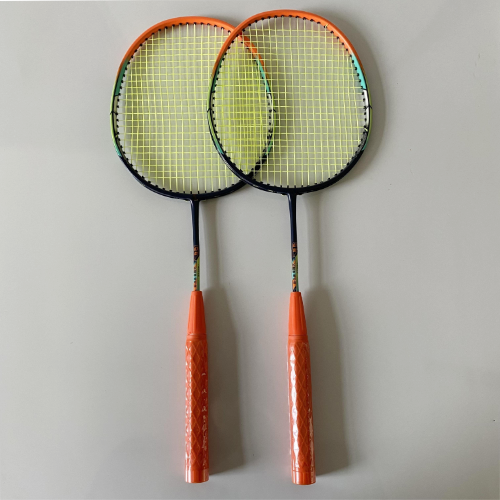
For sports equipment buyers, product certification is more than a label on a box. It is a practical signal that a product has been evaluated against recognized safety, quality, performance, and compliance standards. Whether you are sourcing equipment for retail, wholesale, e-commerce, schools, clubs, gyms, or professional sports facilities, certified sports equipment can reduce risk, improve buyer confidence, and support long-term product value.
In today’s competitive sports market, buyers care about more than appearance and price. They want to know whether a product is safe to use, consistent in quality, suitable for its intended sport, and compliant with local or international regulations. This is where sports equipment certification becomes important. Certified sports products can help businesses strengthen their reputation, lower return rates, and support better purchasing decisions.
This guide explains why product certification matters for sports equipment buyers, what certification means, which standards are commonly referenced, and how certification benefits different buyer groups. It also includes tables that summarize key certification-related information in a clear, SEO-friendly format.
Product certification is a formal process used to verify that a sports product meets defined standards, requirements, or regulations. These requirements may relate to product safety, material quality, mechanical performance, durability, chemical restrictions, labeling, or manufacturing consistency. Certification is usually based on testing, inspection, auditing, or documentation review by a recognized third party, approved laboratory, or regulatory body.
In the sports equipment industry, certification may apply to many product categories, including:
Not every product needs the same certification. Requirements vary by region, sport type, usage environment, age group, and level of risk. However, for many sports equipment buyers, certification remains one of the most important purchasing criteria because it provides evidence that a product has met an accepted benchmark.
Certification matters because sports equipment is often used in active, high-impact, and sometimes high-risk environments. If equipment fails, the result may be injury, product returns, liability claims, brand damage, or regulatory issues. Certification helps buyers make informed decisions by offering a more reliable indication of product quality and compliance.
For buyers, the main value of certification includes the following:
From a commercial perspective, certified sports equipment is often easier to position in the market because it gives buyers and consumers a clear reason to trust the product. In many categories, certification can also be a deciding factor when comparing similar products.
| Benefit | Buyer Impact | Business Value |
|---|---|---|
| Safety assurance | Helps reduce injuries and misuse risks | Builds consumer trust and brand credibility |
| Compliance support | Helps meet regional or industry requirements | Reduces legal and customs-related issues |
| Performance verification | Confirms functional product claims | Improves confidence in product quality |
| Durability testing | Helps assess long-term use value | Supports lower return and warranty rates |
| Market acceptance | Meets retailer, distributor, or tender expectations | Improves sales opportunities |
| Risk reduction | Minimizes sourcing uncertainty | Supports better procurement decisions |
Sports equipment certification is not one single system. Different certifications apply depending on the product type and market. Below are common certification categories that buyers may encounter.
Safety certification focuses on whether a product can be used with acceptable risk. For example, protective gear and youth equipment may require testing for impact resistance, cushioning, structural stability, or choking hazard risks.
Performance certification verifies that a product performs as expected in actual use. This may include bounce consistency, grip quality, load capacity, tensile strength, flexibility, or shock absorption.
Some certifications are related to material restrictions, such as limits on hazardous substances, skin-contact safety, or environmental compliance. These are especially relevant for products made from plastics, textiles, rubber, foams, coatings, and metal components.
Quality management standards may not certify a single product directly, but they can indicate that the manufacturer follows a structured quality system. This can be important for buyers looking for stable product consistency over time.
Some sports products must meet local regulatory requirements in specific markets. These may be required for customs clearance, retail compliance, or marketplace listing approval.
| Standard or Certification Type | Typical Focus | Common Product Categories | Buyer Value |
|---|---|---|---|
| Safety certification | User protection, impact resistance, hazard reduction | Helmets, guards, padding, children’s gear | Reduces injury-related risk |
| Performance certification | Product functionality and sport-specific performance | Balls, rackets, nets, training tools | Improves product confidence |
| Material compliance | Chemical, skin-contact, and substance restrictions | Apparel, gloves, mats, grips | Supports legal and retail acceptance |
| Durability testing | Wear resistance, repeated use, structural life | Fitness equipment, outdoor gear, footwear accessories | Helps reduce replacement frequency |
| Quality system certification | Factory process control and consistency | All sports equipment categories | Improves production reliability |
| Regional market compliance | Local import and sale requirements | Cross-border sports products | Reduces customs and listing problems |
Different buyers evaluate sports equipment in different ways. A retailer, distributor, procurement officer, school administrator, and sports club manager may all care about certification, but for different reasons.
Retail buyers need products that are safe, easy to explain, and suitable for consumer-facing sales. Certified sports equipment can help increase shelf trust, reduce complaints, and support stronger product descriptions.
Distributors often move products across multiple channels or markets. Certification helps them reduce risk during storage, transport, and resale, while also improving the chance of approval from partner networks.
For online sellers, product certification can be a powerful trust signal. Buyers cannot physically inspect products before purchase, so certification documentation, test reports, and compliance statements can improve conversion rates and lower refund risk.
Schools, universities, sports academies, and public facilities often require documented proof of safety and quality. Certified sports equipment supports procurement approvals and helps demonstrate due diligence.
Clubs and professional teams may need equipment that performs consistently under heavy use. Certification offers reassurance that the product meets a recognized benchmark and is suitable for regular training or competition environments.
Confidence is a major factor in purchasing sports equipment. Buyers want to know that the products they choose will meet expectations, reduce problems, and deliver value. Certification supports confidence because it adds independent verification to the product claim.
Without certification, buyers often depend only on marketing language, supplier promises, or product photos. While these can be useful, they do not provide the same level of assurance as documented testing or third-party validation. Certification helps bridge that gap by offering objective evidence.
For this reason, product certification is especially useful when buyers compare several similar products. A certified item often feels like a lower-risk choice, particularly in categories where safety, durability, or compliance matter most.
Product quality is not just about how a sports product looks. It is also about whether the product functions reliably, maintains its structure, and meets user expectations over time. Certification improves quality perception because it suggests the product has been evaluated using recognized criteria.
For example, a certified fitness mat may be perceived as more dependable if it has documented slip resistance, material safety, and compression performance. A certified helmet may be preferred because the buyer can see that it has passed impact-related tests. In both cases, certification supports the idea that the product is designed with measurable standards in mind.
To make better sourcing decisions, sports equipment buyers should review not only the certification label, but also the supporting documents and scope of approval. A product may look certified, yet not be certified for the exact use case the buyer needs.
| Information to Check | Why It Matters |
|---|---|
| Product category | Certification may apply only to a specific item type |
| Test standard | Shows which benchmark was used |
| Issue date | Helps confirm document freshness |
| Validity period | Certifications may expire or require renewal |
| Scope of approval | Confirms whether the product variant is included |
| Testing laboratory or certification body | Helps assess credibility and recognition |
| Material and model details | Confirms the certificate matches the product being purchased |
Buying uncertified sports equipment can increase several types of risk. The exact level of risk depends on the product category, the intended user, and the market. Still, there are some common concerns that many buyers should consider.
In many cases, the cost of certification is lower than the potential cost of product failure, especially for higher-risk sports items. This is one reason why certification has become a key part of modern sports equipment sourcing.
| Category | Why Certification Matters | Typical Buyer Concern |
|---|---|---|
| Helmets and head protection | Impact testing and safety validation | Injury prevention |
| Protective pads and guards | Shock absorption and coverage consistency | User protection in contact sports |
| Fitness machines and training equipment | Load capacity and mechanical stability | Durability and safe operation |
| Children’s sports products | Age-appropriate safety and material compliance | Higher safety expectations |
| Balls and game equipment | Performance consistency and size accuracy | Play quality and standardization |
| Rackets, bats, and sticks | Strength, balance, and material quality | Reliable sport performance |
| Yoga mats and floor accessories | Slip resistance and material safety | User comfort and hygiene |
| Outdoor and adventure gear | Weather resistance, durability, and functional safety | Field reliability |
Certification is closely connected to compliance and market access. In many cases, a sports product cannot move smoothly through the supply chain unless it meets required standards. This is especially true for products sold in regulated markets or through professional channels.
For example, a buyer may need certification documents for:
When certification is in place, it becomes easier to prove that a product meets a defined benchmark. This can shorten approval times and reduce back-and-forth communication between buyers and suppliers.
Before purchasing sports equipment, buyers should ask suppliers clear and specific questions about certification. This helps avoid misunderstandings and ensures the paperwork matches the product.
| Question | Purpose |
|---|---|
| Which certification applies to this product? | Identifies the relevant standard or approval |
| Is the certificate for the exact model and material? | Prevents mismatched documentation |
| Can you provide the test report? | Allows deeper verification beyond the certificate |
| Which laboratory or certification body issued it? | Helps assess credibility |
| Is the certification still valid? | Confirms the document is current |
| Does the certification cover all product variations? | Ensures the approval includes the purchased version |
| Are there any regional restrictions? | Checks for market-specific limitations |
These terms are often used together, but they are not the same. Understanding the difference helps sports equipment buyers make smarter sourcing decisions.
For example, a soccer ball may be tested for size and bounce, inspected for visible defects, and then certified if it meets the required standard. For buyers, certification provides the strongest summary signal because it represents the outcome of a formal evaluation process.
From a market perspective, certification is not only useful for buyers. It also improves the commercial value of a sports product listing. Products with certification-related content often perform better in search because users actively search for terms like certified sports equipment, safety certified gear, product compliance, and sports equipment standards.
For suppliers and distributors, adding certification details to product pages can help:
SEO-friendly certification content is particularly effective when it includes clear product definitions, standard references, benefit explanations, and comparison tables. This type of content is easy for search engines to understand and useful for buyers at the same time.
The following table can be used as a general specification reference in a blog, category page, or industry landing page. It does not refer to any specific brand or company.
| Specification Item | General Description | Buyer Relevance |
|---|---|---|
| Product type | Category of sports equipment being sold | Determines applicable standards |
| Intended user | Adult, youth, beginner, or professional user | Safety and performance expectations vary |
| Use environment | Indoor, outdoor, training, or competition use | Impacts durability and compliance needs |
| Certification status | Certified, tested, pending, or not certified | Helps assess product credibility |
| Test standard | Reference standard used during evaluation | Shows technical benchmark |
| Material compliance | Relevant chemical or safety restrictions | Important for retail and legal acceptance |
| Durability level | Expected resistance to wear and repeated use | Supports lifecycle cost analysis |
| Documentation | Certificate, test report, inspection record, declaration | Needed for verification and procurement |
To make the most of product certification, buyers should follow a few simple best practices:
These steps can help buyers reduce uncertainty and improve sourcing decisions across all types of sports equipment.
Product certification matters for sports equipment buyers because it supports safer purchases, stronger compliance, better performance expectations, and greater market confidence. In a category where product failure can affect user safety, customer trust, and business reputation, certification offers practical value.
Whether you are buying protective gear, fitness equipment, training tools, or general sports products, certification helps you compare options more objectively. It also gives retailers, wholesalers, institutions, and e-commerce sellers a stronger foundation for product selection and market success.
For modern sports equipment buyers, certification is not just a technical detail. It is a strategic advantage that supports smarter sourcing, lower risk, and better long-term value.
يستخدم هذا الموقع ملفات تعريف الارتباط لضمان حصولك على أفضل تجربة على موقعنا.


 English
 Español
 Pусский
 Français
 日本語
日本語 한국어
한국어 हिन्दी
 Tiếng Việt
 中文
中文



 هاتف
هاتف
تعليق
(0)